







The Allure of Chance
The thrill of chance is a fundamental aspect of casino gambling that draws individuals to the gaming tables. The excitement of potentially winning large sums of money captures the imagination of many. This allure is deeply rooted in the human fascination with risk-taking and uncertainty. Many players are attracted to fast withdrawal options, and a great choice is the fast withdrawal casino experience that can provide a temporary escape from daily life stresses, making gambling an appealing option for those seeking to break free from their routine. The unpredictable nature of gambling not only evokes excitement but also stimulates the brain’s reward system, releasing dopamine and creating feelings of pleasure, which can be incredibly addictive.
Moreover, the very act of placing a bet can lead to a heightened state of arousal. This physiological response can make individuals feel alive and engaged, as their adrenaline levels rise with each spin of the roulette wheel or shuffle of the cards. The environment in casinos is meticulously designed to enhance this experience. Bright lights, captivating sounds, and the constant buzz of activity create an atmosphere where the thrill of gambling becomes even more intoxicating. This sensory overload can lead to an immersive experience that keeps players returning for more, eager to chase that exhilarating feeling of potential victory.
However, the psychological drivers behind this allure are nuanced and multifaceted. Not only does chance play its part, but many gamblers also engage in cognitive biases that skew their perceptions of winning. The "gambler’s fallacy," for instance, leads players to believe that past outcomes influence future results, despite the independent nature of each event. Understanding these psychological principles helps explain why individuals may continue to gamble even in the face of significant losses, as the prospect of future wins remains an enticing possibility. This complex interplay of chance, cognitive biases, and emotional responses forms the foundation of the psychological allure of casino gambling.
The Role of Social Interaction
Social interaction is another critical psychological component of casino gambling. For many, casinos serve as social hubs where individuals gather to share experiences, celebrate wins, or simply enjoy each other’s company. This communal aspect enhances the overall experience and often encourages gamblers to spend more time and money. Engaging in conversation with friends or even strangers can transform the solitary act of gambling into a collective experience, amplifying the thrill and enjoyment of the game. The social dynamics at play can create a sense of belonging, as players bond over shared interests and experiences.
Additionally, casinos often host events, tournaments, and themed nights that foster a sense of community among players. These social gatherings create opportunities for camaraderie and competition, further deepening the psychological engagement with the gaming experience. The vibrant social environment can be especially appealing to those who may feel isolated or disconnected in their everyday lives, transforming gambling into a means of connection and belonging. The sense of community found in casinos can make the experience more enjoyable and memorable, reinforcing the desire to return.
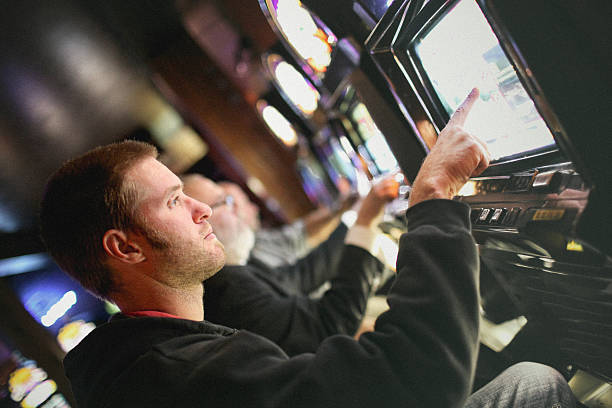
However, the social nature of gambling can also lead to problematic behaviors. The pressure to conform to group norms or to keep up with peers can encourage excessive gambling. Players may feel compelled to continue betting, even when personal limits have been reached, simply to maintain their social status or avoid disappointing friends. This social dynamic illustrates how group behavior can influence individual choices, often leading to risky gambling behaviors that can have serious consequences. Understanding this aspect of gambling psychology is crucial for recognizing the potential for addiction and promoting healthier gambling practices.
Emotional Escapism and Coping Mechanisms
For some, casino gambling serves as a form of emotional escapism, providing an avenue to temporarily forget about life’s challenges. The immersive experience of gambling allows individuals to step away from their problems, even if just for a little while. In this context, gambling can be viewed as a coping mechanism, where the thrill of the game diverts attention away from stressors. This behavior may be particularly appealing during times of personal upheaval or anxiety, as the act of betting provides a short-lived rush of excitement that can momentarily alleviate negative feelings.
However, relying on gambling as a coping strategy can lead to detrimental outcomes. The initial thrill may lead to an escalation of play, as individuals seek to recreate that euphoric feeling. Unfortunately, this can spiral into a cycle of chasing losses and emotional distress, further entrenching individuals in harmful gambling behaviors. Studies have shown that those who use gambling as an escape are often at a higher risk of developing gambling addiction, as they may prioritize gambling over healthier coping methods, such as exercise or socializing.
Moreover, the emotional highs and lows associated with gambling can create a rollercoaster effect on an individual’s mental health. The excitement of winning can elevate moods and create a sense of euphoria, while losses can lead to despair and frustration. This emotional volatility can be addictive in itself, encouraging individuals to continue gambling to experience the highs, despite the risk of significant lows. Understanding the emotional aspects of gambling is crucial for addressing the psychological struggles faced by many gamblers, as it highlights the need for healthier coping strategies that do not involve gambling.
The Influence of Marketing and Design
The marketing strategies used by casinos play a significant role in shaping the psychology of gambling. Casinos invest considerable resources into creating an inviting atmosphere that stimulates senses and emotions, making it difficult for players to walk away. The use of free drinks, enticing promotions, and loyalty programs makes gambling feel more accessible and encourages longer playtimes. Such strategies can create an illusion of value and reward for players, further enhancing their engagement with the games. The psychological implications of these marketing tactics are profound, as they effectively exploit human tendencies toward seeking instant gratification.
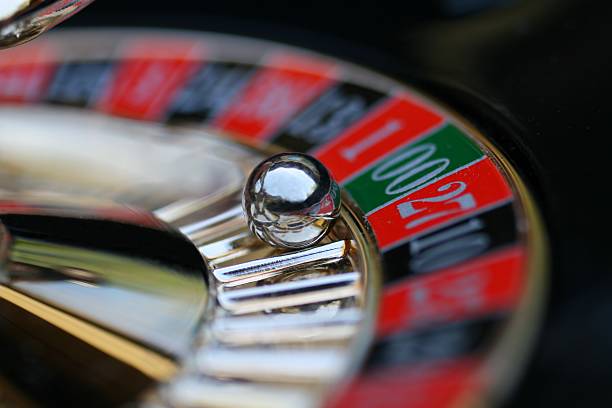
Design elements within casinos are also meticulously crafted to influence behavior. The layout, lighting, and sound systems are designed to create a thrilling experience, often leading players to lose track of time and money. For instance, many casinos lack windows and clocks, making it hard for players to gauge how long they’ve been gambling. This sensory deprivation can lead to extended gambling sessions, reinforcing the behavior while making it challenging to establish control over one’s habits. The entire ambiance is engineered to keep players in a state of heightened excitement, often at the expense of their financial well-being.
Moreover, the psychology behind gambling often plays into the human tendency to pursue rewards, commonly known as operant conditioning. Players may find themselves in a cycle of intermittent reinforcement, where occasional wins reinforce gambling behavior and create a compulsion to continue playing. This pattern of rewards can make it challenging for individuals to recognize when they are playing too frequently or spending too much. Effectively, the marketing tactics and design strategies employed by casinos contribute significantly to gambling addiction risk, demonstrating how powerful psychological influences can be in shaping behavior and decision-making.
Understanding the Psychology of Gambling Online
The rise of online gambling has opened up new avenues for understanding the psychology behind gambling behavior. Digital platforms replicate the excitement of traditional casinos but often with increased accessibility and anonymity. The convenience of gambling from home can blur the lines between responsible play and problematic behavior, as individuals may find it easier to engage in excessive betting without the social cues present in physical casinos. This shift highlights the need for a deeper understanding of how online environments influence gambling habits and the psychological effects of gambling in a digital context.
Moreover, online gambling platforms implement similar psychological tactics as traditional casinos. Flashy graphics, enticing bonuses, and social gaming features are designed to captivate players and keep them engaged. The availability of instant play options and mobile accessibility can lead to impulsive gambling decisions, further complicating the landscape of responsible gambling. As players can easily gamble at any time, it becomes crucial to recognize the potential for addiction in these digital spaces, where the barriers to entry can be significantly lower than in physical casinos.
Understanding the psychology of gambling online also involves acknowledging the unique challenges faced by online gamblers, such as the absence of physical boundaries and the rapid pace of play. Players may struggle to set limits on their gambling habits, leading to increased risks of developing problematic behaviors. This makes education and awareness about healthy gambling practices essential, as individuals must navigate the complexities of psychological influences in the online gambling realm. It is vital for both players and regulators to promote responsible gaming practices to mitigate the risks associated with online gambling.
